

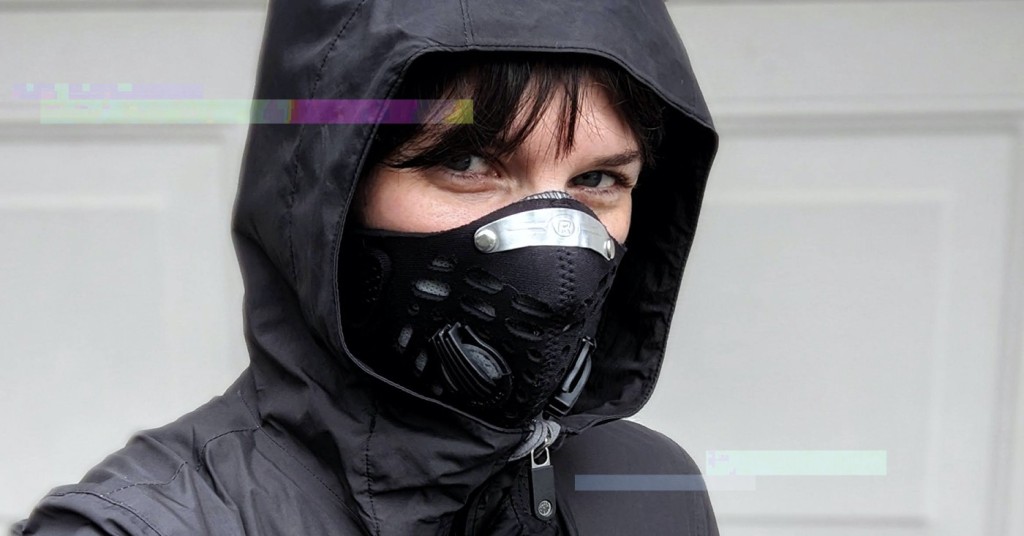






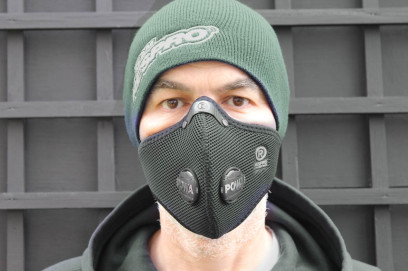


As climate change drives more frequent and intense wildfires, researchers at the Icahn School of Medicine at Mount Sinai have published two large-scale studies showing that wildfire smoke may pose greater health risks than other sources of air pollution, with higher risks of hospitalization for cardiovascular and respiratory disease and poorer survival among patients with lung cancer.
The studies, led by first author Min Zhang, Ph.D., and senior author Yaguang Wei, Ph.D., provide some of the strongest evidence to date that the source of air pollution matters, not just the amount.
Published in Nature Communications and The Lancet Oncology, the studies examined the long-term health effects of fine particulate matter from wildfires, known as PM2.5, a mixture of microscopic airborne particles that can penetrate deep into the lungs and enter the bloodstream.
Across both investigations, the researchers found that wildfire-related PM2.5 was associated with greater health risks per unit of exposure than PM2.5 from non-wildfire sources.
The findings come as wildfire smoke increasingly affects communities far beyond traditional fire-prone regions, exposing tens of millions of people across the United States to elevated levels of air pollution.
“Wildfire smoke is no longer a regional environmental issue. It is becoming a nationwide public health challenge,” said Wei, assistant professor of environmental medicine at the Icahn School of Medicine at Mount Sinai and senior author of both studies.
“Our research shows that wildfire-related PM2.5 appears to be more harmful than equivalent levels of pollution from other sources. As wildfire activity increases, public health and environmental policies must account for both the quantity and the source of air pollution.”
The first study, published in The Lancet Oncology, examined whether long-term exposure to wildfire-related PM2.5 affects survival among patients with lung cancer. Researchers analyzed data from 414,016 adults 65 and older with lung cancer in the SEER-Medicare database.
They estimated patients’ wildfire-related and non-wildfire PM2.5 exposure based on where they lived, using total ambient PM2.5 estimates developed independently and wildfire-specific PM2.5 estimates published by researchers at Stanford University.
The study found that both wildfire-related and non-wildfire PM2.5 were associated with increased mortality risk among patients following lung cancer diagnosis. However, when researchers compared equivalent increases in exposure, wildfire-related PM2.5 was associated with substantially greater toxicity: Although wildfire-related PM2.5 accounts for only about 4% of total PM2.5, it is responsible for about 17% of mortality related to total PM2.5 exposure.
The findings suggest that long-term exposure to wildfire smoke may be an important and previously underrecognized risk factor for patients with lung cancer.
Among study participants, researchers estimated that hundreds of annual deaths were attributable to wildfire-related PM2.5 exposure. They also found that higher numbers of smoky days and prolonged periods of smoke exposure were associated with poorer survival outcomes.
“Patients with lung cancer are already medically vulnerable, and our findings suggest that wildfire smoke may place them at even greater risk,” Zhang said. “As wildfire-related air pollution becomes more common, reducing exposure could become an increasingly important component of cancer care and survivorship planning.”
Wei said the findings have immediate implications for clinicians and patients.
“For people with lung cancer or chronic heart and lung diseases, monitoring air quality and limiting exposure during smoke events may be especially important,” Wei said. “Health care providers may increasingly need to consider environmental exposures as part of comprehensive patient care.”
“Lung cancer patients are already navigating substantial health challenges, and our findings suggest that long-term exposure to wildfire smoke may add another, potentially preventable risk,” said Christine Ekenga, Ph.D., MPH, Rollins assistant professor at Emory University’s Rollins School of Public Health and co-author of the study.
“We need to better understand which patients are most vulnerable and develop practical strategies to reduce their exposure.”
In the second study, published in Nature Communications, investigators analyzed hospitalization records from residents across 20 U.S. states between 2006 and 2019 and linked them to advanced models estimating long-term exposure to wildfire-related and non-wildfire PM2.5. The study included more than 57 million cardiovascular hospitalizations and nearly 33 million pulmonary disease hospitalizations.
Researchers found that long-term exposure to wildfire-related PM2.5 was associated with increased risks of hospitalization for a broad range of cardiovascular and respiratory conditions, including heart failure, ischemic heart disease, hypertension, asthma, pneumonia, chronic obstructive pulmonary disease and other respiratory illnesses.
At equivalent concentrations, wildfire-related PM2.5 was consistently associated with larger increases in hospitalization risk than PM2.5 from non-wildfire sources.
“This study provided a unique opportunity to directly compare the health impacts of wildfire smoke with other sources of air pollution on a large scale,” said Zhang, a postdoctoral fellow in the Department of Environmental Medicine at the Icahn School of Medicine at Mount Sinai and first author of both studies.
“We found that wildfire smoke can affect both the lungs and the cardiovascular system, and that its effects may be stronger than those of similar amounts of pollution from traffic, industry and other sources.”
The researchers also found particularly strong associations among racial and ethnic minority populations, residents of metropolitan areas and people living in communities with lower educational attainment and higher levels of socioeconomic deprivation.
The study was conducted by investigators from the Icahn School of Medicine at Mount Sinai, Harvard T.H. Chan School of Public Health, Stony Brook University and New York University and was supported by the National Institute of Environmental Health Sciences.
Taken together, the studies suggest that wildfire smoke should be considered a distinct environmental health threat requiring targeted mitigation strategies beyond traditional approaches focused on overall air pollution levels.
Future research will focus on identifying which chemical components of wildfire smoke are responsible for its heightened toxicity and understanding the biological mechanisms through which wildfire-related PM2.5 affects cardiovascular health, respiratory disease and cancer outcomes.
“As wildfire activity continues to grow around the world, understanding the health consequences of wildfire smoke has become increasingly urgent,” Wei said. “These studies represent an important step toward identifying who is most vulnerable and what strategies may help protect public health in a changing climate.”
https://medicalxpress.com/news/2026-09-wildfire-air-pollution.html
As wildfire smoke plumes travel thousands of miles, sunlight and atmospheric chemistry bleach their color, strip away their campfire aroma and add them to the mix of urban smog.
Smoky skies plagued the East Coast and Midwest again in summer 2026, as wildfires hundreds of miles away forced people to cancel sports practices and run air conditioners around the clock.
Living in the western U.S., I am no stranger to this scene. Wildfires and the thick smoke they produce have become a fixture of summer life here. I also study wildfire smoke as an atmospheric chemist, in particular how the smoke evolves as it moves downwind from the flames to the communities where people breathe it.
To understand what’s in the smoke you might be breathing, you have to look at where it’s been.
When a forest burns, the wildfire emits large amounts of fine particulate matter, or PM2.5, along with nitrogen oxides and volatile organic compounds, or VOCs. The compounds and particles emitted by wildfires can harm human health, including the lungs, heart and organs, and include known carcinogens.
How this potent mix of pollutants transforms over time and distance is a complex puzzle. At the NOAA Chemical Sciences Laboratory, our team tracks this behavior, from studying controlled fuel burns in the lab to flying research aircraft through wildfire smoke plumes. Understanding how wildfire smoke ages is essential for predicting its impacts on human health.
It all starts at the flame
The story of smoke begins with how the wildfire burns. High-temperature wildfires behave very differently from cool, smoldering wildfires.
Hot, intense flames produce nitrogen oxides, which can harm a person’s respiratory system and contribute to the formation of secondary pollutants and reactive carbon compounds like aromatic hydrocarbons, which can increase the risk of certain cancers with long-term exposure. They also emit smaller amounts of nitrous acid, hydrogen cyanide and isocyanic acid, all of which can be toxic to humans.
In contrast, lower-temperature smoldering wildfires release a different mix of compounds, but it is still enriched with toxic aromatic oxygenates and ammonia, which can irritate the respiratory system. This isn’t to say that these wildfire emissions are safer for human health, but rather that burning conditions dictate the chemical makeup of the smoke and its subsequent chemical fate.
Wildfires are rarely just one or the other; they are dynamic mixtures that shift throughout the day as air temperatures rise, humidity drops or evening thunderstorms roll in.
Once smoke leaves the flames, three main factors govern its journey: wind speed, atmospheric temperature and sunlight.
Think of a campfire. If you are sitting in the wrong spot, the prevailing wind blows smoke directly in your face. This horizontal movement is called advection. Small fires often don’t generate enough heat to loft their smoke high, meaning you can smell your neighbor’s campfire.
However, massive wildfires generate immense heat and powerful upward winds. This buoyancy acts like an elevator, lifting the smoke plume out of the planetary boundary layer and injecting it into the free troposphere, roughly 1.2 miles (2 kilometers) above the ground. Up there, high-altitude winds take over, transporting the smoke thousands of miles across the continent.
On occasion, wildfire plumes can generate their own weather, making smoke-laden pyrocumulonimbus clouds, which can inject large amounts of particles into the stratosphere.
How sunlight ‘ages’ the smoke
As smoke travels, it undergoes rapid physical and chemical changes.
First, the plume dilutes as cleaner background air mixes into it. Close to the fire, the smoke is dense and opaque. As it moves downwind, it spreads out and grows more diffuse.
Second, intense sunlight acts as a chemical engine. Solar ultraviolet photons break apart bonds in molecules, creating radicals, which oxidize VOCs. Nitrogen oxides play a key role in driving this chemistry.
Within just hours of being emitted, this mixture reacts to form ground-level ozone, which can irritate the lungs and is a key component of smog.
If smoke is lofted high into cold-free tropospheric air, the chemical aging process can temporarily freeze. The smoke can remain chemically fresh until the air parcel sinks closer to the surface, below about 1.25 miles (2 kilometers), where warmer temperatures can restart the chemical reactions.
When an aging smoke plume passes over a major city, it can mix with urban pollution, such as car exhaust. This interaction can rekindle chemical reactions, creating additional local ozone on top of the fine particulate matter emitted from the fire.
Why distant smoke smells and looks different
Have you ever noticed that long-distance wildfire smoke doesn’t smell like a campfire? There is a chemical reason for that.
The specific compounds responsible for the classic smoky aroma of a campfire—phenolic compounds like guaiacol and syringol—are highly reactive. Sunlight and the associated chemistry destroy them in a matter of hours. By the time the smoke has traveled across several states, the smoky smell is completely gone.
Sunlight also alters the color of the smoke through chemical bleaching of aerosols. Fresh smoke contains dark brown and black carbon particles that absorb light. Over several days of exposure to sunlight and oxidants, chemical reactions break down these dark compounds.
The result?
Dark, light-absorbing particles turn into light-scattering particles, transforming dark, dense plumes into the milky white haze seen drifting across the eastern skies. These particles efficiently scatter blue and green light while letting red and orange wavelengths pass through, creating the uncanny feeling of an all-day sunset.
The wildfire smoke inhaled hundreds of miles downwind is chemically distinct from the smoke that left the flames, but it remains a serious health threat and an area of active research. Consequently, smoke transport and its associated atmospheric chemistry represent a major North American air quality issue, one projected to intensify in the coming years.
From flames to haze, wildfire smoke transforms as it travels, and it can harm your health in different ways
Three years after Maui wildfires many still struggle with ‘biological, emotional and social consequences’, study says
A spate of ferocious wildfires across North America and Europe, worsened by the climate crisis, has incinerated homes and forests and forced thousands of people to flee. Previous fires suggest the effects of these blazes may linger for years to come.
The current fires and their plumes of smoke can appear to be a temporary, if immediate, crisis. Nearly 1,000 fires have sprung into life in the boreal forests of Canada, causing the evacuation of towns and toxic smoke to waft into major Canadian and US cities, prompting threats of retribution from Donald Trump, who bizarrely accused Canada of “poisoning” his country’s air.
Smoke is billowing from wildfires in the US too, amid the third major heatwave of the past month which has furthered dried out parched vegetation. Vast, lightning-sparked fires across Washington, eastern Oregon and Idaho have caused a plume of smoke so large that it could reach Florida.
In Europe, meanwhile, huge fires have gripped parts of the UK, France and Spain, causing the evacuation of more than 250,000 people.
Read the full article on the Guardian

| CANADA Canadian Interagency Forest Fire Centre | ciffc.ca |
| CANADA FireSmoke Canada | firesmoke.ca |
| EUROPE EFFIS – European Forest Fire Information System | forest-fire.emergency.copernicus.eu |
| EUROPE European Commission | joint-research-centre.ec.europa.eu |
| Fire Map Live | firemap.live |
| FRANCE incendieencours | incendieencours.fr |
| Global Forest Watch | globalforestwatch.org/map |
| NASA Earth Observatory | earthobservatory.nasa.gov/topic/natural-event |
| PORTUGAL Fogos | fogos.pt |
| SPAIN CIVIO | civio.es/en/environment/forest-fires-map |
| USA Air Now | fire.airnow.gov |
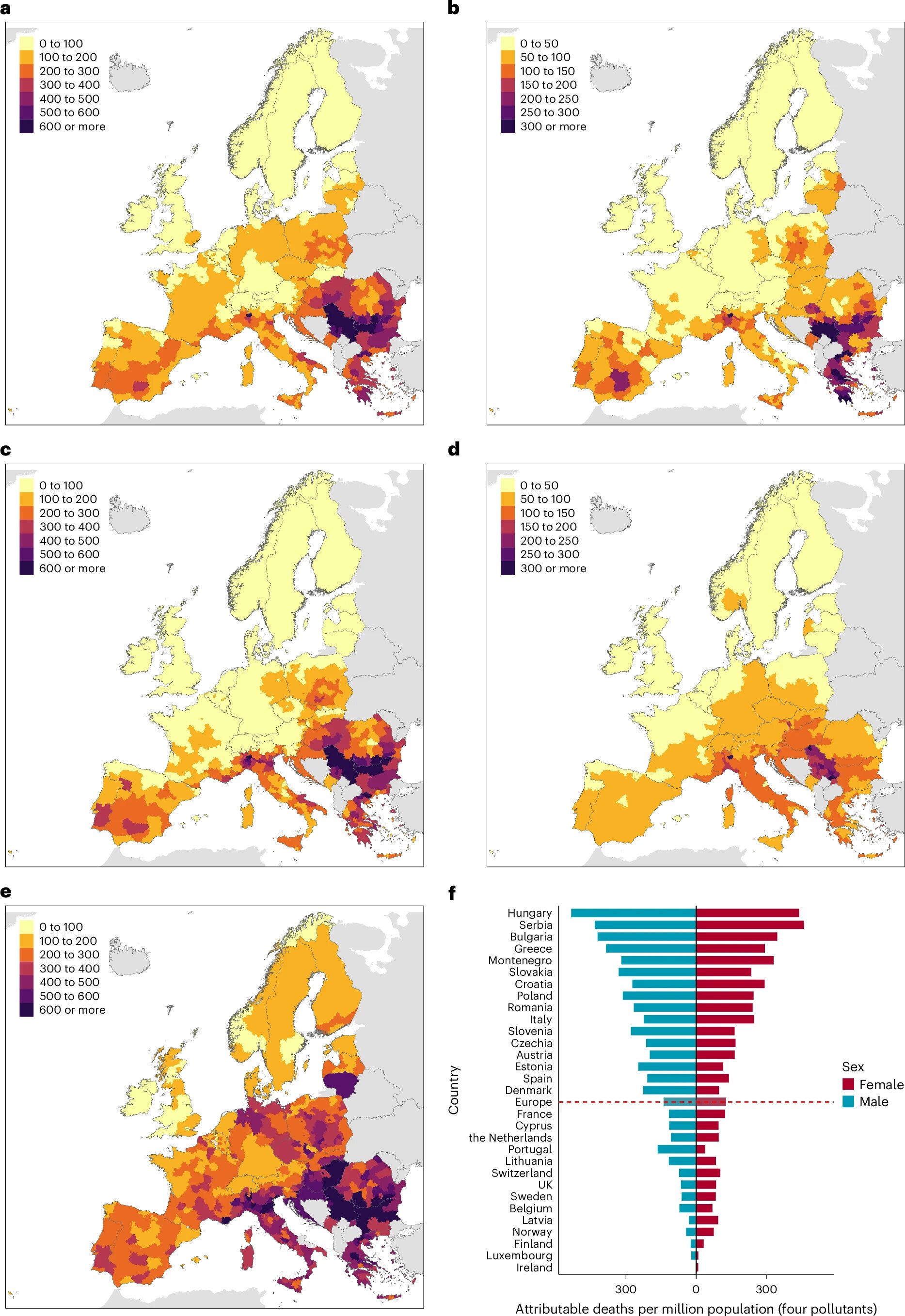
Fine particles (PM₂.₅) were associated with around 79,000 preventable deaths, followed by nitrogen dioxide (NO₂), ozone (O₃) and coarser particles (PM₂.₅-₁₀, particles with a diameter between 2.5 and 10 micrometers). These are among the findings of a new study conducted by the Barcelona Institute for Global Health (ISGlobal), in collaboration with the Barcelona Supercomputing Center–Centro Nacional de Supercomputación (BSC-CNS), which provides the first Europe-wide estimate of short-term mortality associated with the combined effects of multiple pollutants across 31 European countries. The findings, published in Nature Health, support the development of impact-based early warning systems to help protect the population from the health effects of air pollution.
Although the overall health burden is dominated by long-term exposure, short-term air pollution can trigger acute physiological responses, such as systemic inflammation, autonomic imbalance and increased blood clotting, that elevate mortality risk over the following days. Recent studies have shown that daily pollution levels are linked to daily short-term increases in mortality, but important limitations remain.
Most research focuses only on cities, overlooking peri-urban and rural areas; and they often fail to account for regional differences in vulnerability (such as age, baseline health, socioeconomic status or environment) and air pollution toxicity. In addition, pollutants are usually analyzed separately, making it difficult to understand their combined effects.
“Our study addressed these limitations by combining daily data on major air pollutants across Europe with the new mortality database from the EARLY-ADAPT project of the European Research Council (ERC), which covers the whole population in 31 countries representing over 530 million people,” explains Zhao-Yue Chen, researcher at ISGlobal and first author of the study. “This allows a more precise analysis of how short-term exposure to the major pollutants affects people differently depending on age, sex and cause of death.” The study analyzed nearly 89 million deaths recorded between 2003 and 2019 across 653 European regions.
“To assess exposure to air pollution, daily levels of several pollutants were estimated across Europe using data from monitoring stations, satellites, land use and meteorological variables, and then adjusted at the regional level, giving more weight to areas where more people live,” explains Carlos Pérez García-Pando, ICREA and AXA Professor at BSC-CNS.
An estimated 146,500 premature deaths per year were associated with short-term exposure to overall air pollution when all pollutants are considered together. When each pollutant was analyzed separately, the greatest impact was attributed to PM₂.₅ (around 79,000 deaths), followed by NO₂ (69,000), O₃ (31,000) and PM2.5-10 (29,000). These figures cannot simply be added together; pollutants often occur simultaneously, so their effects overlap.
PM2.5 is the most harmful pollutant because it penetrates deep into the lungs and can enter the bloodstream, causing inflammation and other rapid effects on the body. By contrast, PM2.5-10 mainly affects the upper airways due to its larger size, while gases such as NO₂ and O₃ irritate the lungs and increase vulnerability to respiratory diseases.
Most earlier large studies focused only on fine particles (PM₂.₅) when estimating the short-term health burden of air pollution, leaving the impact of other pollutants in Europe largely unknown. This new study considers several pollutants together, providing a more complete and realistic picture of health risks. It also suggests that previous global estimates based solely on PM₂.₅ may have somewhat overestimated the burden in Europe, potentially reflecting biases from evidence derived in other regions.
Young men are more vulnerable than young women, but the pattern reverses with increasing age
Air pollution does not affect everyone in the same way. Young men showed greater vulnerability to ambient air pollutants than young women, likely due to higher exposure (outdoor work, traffic, smoking, etc.) or to the earlier appearance of comorbidities in men at young ages. However, this pattern changes with age: at older ages (especially from 85 years onward), the highest risk is observed in women.
For specific causes of death, particulate matter was more strongly associated with cardiovascular risks in women, while O₃ had a greater impact on men. These findings highlight the need for tailored protection measures, in contrast to one-size-fits-all approaches.
“Our findings are highly relevant for policymakers and public health professionals, as they support the use of epidemiological models fitted with data by sex, age and comorbidities to create a new generation of impact-based early warning systems (for example, the platform Forecaster.Health), which specifically target vulnerable groups,” explains Joan Ballester, researcher at ISGlobal and coordinator of the study.
In a context where new daily air quality standards are being introduced across Europe, these results provide practical insights to help protect the population more effectively.
Zhao-Yue Chen et al, Mortality from short-term exposure to particulate matter, nitrogen dioxide and ozone across Europe, Nature Health (2026). DOI: 10.1038/s44360-026-00124-y
Journal information: Nature Health
Air pollution is linked to increased overall risk of developing cancer, beyond its impact on the lungs, according to a new report by The Union for International Cancer Control (UICC) and supported by the Clean Air Fund.
The report, which synthesised data from 42 meta-analyses and systematic reviews published between 2019 and 2024, found that air pollution is not only a driver of lung cancer but also significantly increases the risk of multiple other cancers and raises the likelihood of dying from the disease.
“Clean air is not a luxury, it is a fundamental human right – one that underpins health, equity, and sustainable development. Tackling air pollution is not only an environmental priority; it is a cancer prevention strategy, an economic investment, and an act of social justice,” Helen Clark, former Prime Minister of New Zealand and co-chair of Our Common Air, wrote in the publication.
The report found that particulate matter posed the greatest risk. Populations exposed to high levels of PM2.5, compared to those in less polluted environments, face an 11% increase in the overall risk of developing cancer, with the sharpest rises for liver and colorectal, kidney, lung, and bladder cancers.
Long-term exposure to high levels of PM2.5 was also associated with a 12% increase in the overall risk of dying from cancer by 12%, and specifically a 20% higher risk from breast cancer, 14% from liver cancer, and 12% from lung cancer.
Exposure to larger air pollutants (PM10) was linked to a 10% higher overall cancer risk, a 13% increased risk of dying from lung cancer, and 11% increased risk of dying from breast cancer.
The report also found that these risks are not shared equally. Women and children are generally more exposed to smoke from solid fuels used for cooking and heating. Women exposed to household air pollution face a 69% higher risk of lung cancer, alongside increased risks of cervical cancer, the authors found.
People living in low- and middle-income countries bear the greatest burden, as they are exposed to higher pollution levels with limited resources to reduce pollution or access to timely cancer care, the report noted.
And the inequality is not limited to lower-income countries. In Europe, a recent study found that the poorest regions are also the most affected by pollution.
“We have made huge strides in reducing deaths from cancer, but polluted air is silently undermining that progress. It is a risk people cannot opt out of, and one that disproportionately affects women, children, and people living in poverty,” said Cary Adams, CEO of UICC.
While there is a growing recognition of the link between air pollution and many cancers, the authors called for further coordinated action.
“Further research is still needed to better quantify risks beyond the respiratory system, to understand the impacts of non-particulate pollutants, and biological processes by which air pollution acts on the human body,” Elisabete Weiderpass, executive director at the International Agency for Research on Cancer (IARC ), wrote in the report.
She added that the cancer community cannot afford to wait for perfect evidence before acting.
“The harms of air pollution are already clear, and the benefits of reducing exposure are well documented across a wide range of health outcomes, including lung cancer, cardiovascular and respiratory disease, children’s health, and neurocognitive conditions such as dementia,” Weiderpass said.
The report calls for expanding the scientific evidence of air pollution’s impact beyond lung cancer, and for establishing more robust air quality monitoring and standards.
Nationwide study of 270,000 patients shows pandemic-era behavior changes significantly lowered PM2.5-associated risk of MINOCA, a non-obstructive type of heart attack
Researchers at Kumamoto University have discovered that behavioral changes during the COVID-19 pandemic—particularly widespread mask-wearing—may have reduced the risk of certain types of heart attacks triggered by air pollution.
The study, led by Dr. Masanobu Ishii and colleagues, was published in the European Society of Cardiology’s flagship journal, European Heart Journal.
Air pollution and heart attacks
Fine particulate matter known as PM2.5—tiny airborne particles small enough to penetrate deep into the lungs—has long been recognized as a major environmental risk factor for cardiovascular disease. Exposure can trigger inflammation, oxidative stress, and blood vessel dysfunction, potentially leading to acute myocardial infarction (AMI), commonly known as a heart attack.
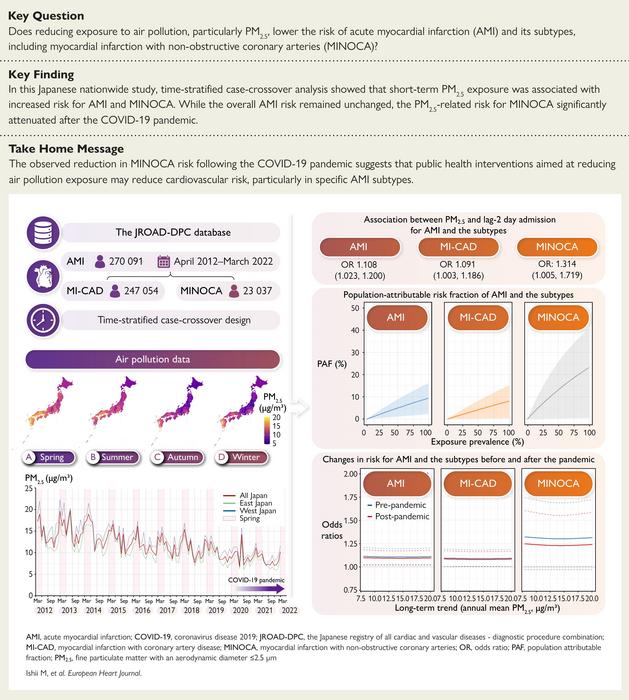
Using Japan’s nationwide cardiovascular database (JROAD-DPC), the research team analyzed data from 270,091 patients hospitalized for AMI between 2012 and 2022. They examined short-term exposure to PM2.5 and compared risks before and during the COVID-19 pandemic, which brought dramatic shifts in public behavior, including mask use and reduced mobility.
Striking decline in a specific heart attack subtype
The researchers found that short-term exposure to PM2.5 significantly increased the risk of all types of AMI. However, one subtype—MINOCA (myocardial infarction with non-obstructive coronary arteries), a heart attack without coronary artery obstruction—showed a particularly strong association with air pollution.
Most notably, after the onset of the pandemic, the PM2.5-related risk of MINOCA significantly declined. In contrast, the risk of the more typical heart attack with coronary artery obstruction (MI-CAD) remained largely unchanged.
The findings suggest that pandemic-related preventive behaviors—especially mask-wearing—may have reduced individual exposure to harmful particulate matter, thereby lowering the risk of pollution-triggered vascular dysfunction such as coronary spasm or microvascular impairment.
Implications for public health
This study provides real-world evidence that simple protective measures can mitigate cardiovascular risks associated with unavoidable environmental exposures. Even in Japan, where no strict lockdowns were imposed, voluntary public health practices appear to have delivered measurable cardiovascular benefits.
The researchers emphasize that improving air quality remains a long-term priority. However, the findings also highlight the potential of accessible interventions—such as mask use during high-pollution periods—to protect vulnerable populations.
As societies confront ongoing environmental challenges, these insights may help shape future preventive cardiology and public health strategies worldwide.
Pollution Masks - The 'Original' and still the best - Established 1993 - Made in the UK 
 Respro® Masks are reusable